nanobot
Ultra-lightweight, open-source, self-hosted personal AI agent framework in Python with WebUI, tools, memory, MCP, multi-agent workflows, automation, and chat apps
Use a lightweight personal AI agent to automate tasks and connect with various chat platforms without needing technical skills.
From the README
curl -fsSL https://raw.githubusercontent.com/HKUDS/nanobot/main/scripts/install.sh | sh
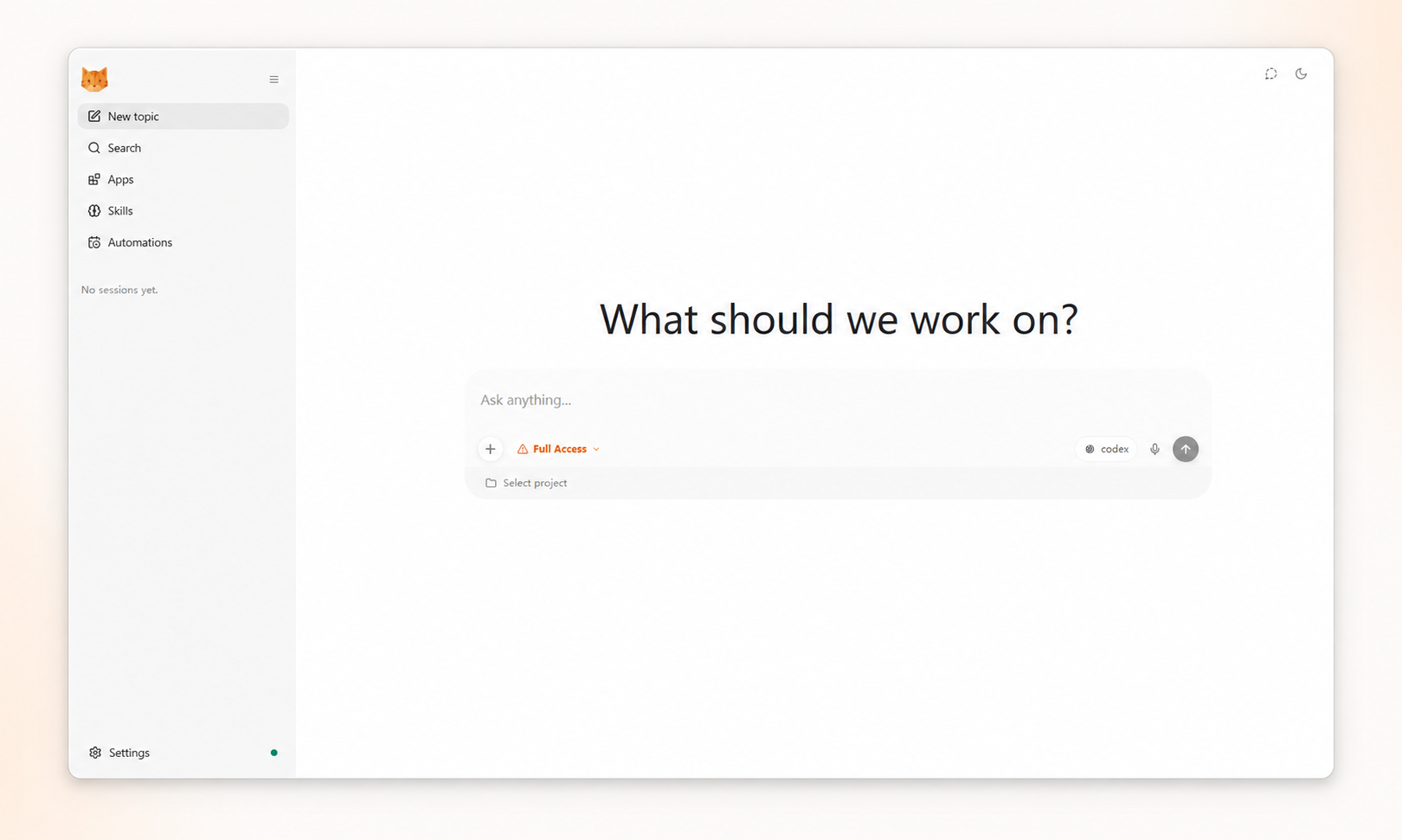
- run in a browser WebUI or terminal
- connect to Telegram, Discord, Slack, WeChat, Email, Mattermost, and other chat apps
- use tools such as files, shell, web search, web fetch, MCP, cron, image generation, and subagents
- keep session history and long-term memory through Dream
- run long-horizon goals and scheduled automations
- expose a Python SDK and OpenAI-compatible API for integrations
Excerpts from the project README on GitHub. Copyright and licensing remain with the respective authors.
Claim its page: indexed whatever its rank, translated into six languages, and enriched with what you write yourself.
Get an email alert on its next release or when it starts trending — never miss the moment.
Free · no card · unsubscribe anytimeUltra-lightweight, open-source, self-hosted personal AI agent framework in Python with WebUI, tools, memory, MCP, multi-agent workflows, automation, and chat apps
nanobot has 47.5k stars on GitHub. It has been forked 8.4k times. nanobot is written mainly in Python. It has been in active development since 2026. nanobot is available under the MIT license. Its main topics are agent-framework, ai-agent, ai-agents, chatbot.
Compare with the paid tools it replacesWhat is nanobot?
Ultra-lightweight, open-source, self-hosted personal AI agent framework in Python with WebUI, tools, memory, MCP, multi-agent workflows, automation, and chat apps
Is nanobot open source?
nanobot is an open-source project. It is released under the MIT license.
Is nanobot free?
Yes. nanobot is free and open source — you can use, modify and self-host it.
What license does nanobot use?
nanobot is available under the MIT license.
What language is nanobot written in?
nanobot is written mainly in Python.
Add this live badge to your README — your GitHub stars and directory rank, refreshed daily.
[](https://olud.ai/project/hkuds-nanobot.html)